
 One of my favorite kids, Marla, age 6, came in to see me.
Nearly six and going into first grade in the fall, I had tracked Marla since she was three. As the mental health professionals like to call it, Marla’s had issues with, “behavioral self-regulation.”
Marla’s difficulty with “behavioral self-regulation” usually appeared as her having difficulty keeping her hands to herself and frequently melting down when things were not going her way.
Marla came in to chat about summer camp, which was just starting. Marla tells me that there is a counselor in her bunk who was assigned to her specifically “because of my anger issues.”
Marla’s frank statement of her “anger issues’ pulled me back a bit and I raised an inquisitive eyebrow and asked her, “Oh, yeah. What are your anger issues?”
With a sly smile, she says very little and shrugs.
I encourage her to draw me her anger issues. While Marla loves drawing, there was not much content that illustrated her anger issues. I compliment her on the drawing.
I am not dismissing the idea that young kids like Marla can have “anger issues,” but there are a considerable percentage of kids who may not have anger issues, though it looks like it in how they behave and interact.
My interpretation of Marla’s “anger issues” was simple.
When she does not get what she wants Marla gets angry. There was a small word that frequently results in Marla reacting poorly. In short, Marla struggles with “no” and it makes her angry.
Too often, children like Marla are quickly diagnosed with ADHD and put on medication before understanding their difficulty coping with something like the “no” word.
In Marla’s case a lot of work focused on both Marla and the way her parents managed her challenging behavior.
Over time Marla incrementally started to face reality that it wasn’t always going to go her way and that, yes, there is a no and you have to deal with it.
(***Please note: All blogs represent the opinion and perspective of Dr. Richard Selznick. Comments and questions are welcomed, but are blocked by the hosting site. Please email questions or comments: rselznick615@gmail.com)
 Copyright, Richard Selznick, Ph.D. 2022, www.shutdownlearner.com.
To Contact Dr. Richard Selznick for advice, consultation or other information, email rselznick615@gmail.com.
To receive future blog posts, register your email: https://shutdownlearner.com.
 wuns a pon a time their was a boy wgo had no frends so he was always alon But than on day evry thing change His mom gave him a voilinto play it sounded horabel so he said I am never playing this again so one Day he went to in the stor and heard the guy play the vialin it sounded awsome so he said to his mom thats how I want to play well then you need to pratis his mom said and then he did and he was so good at it.
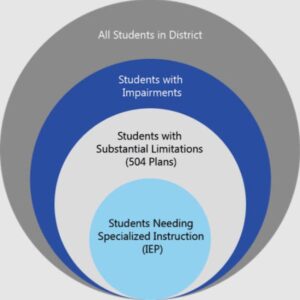 In last week’s post we talked about some of the basics involved with 504 Plans (
 Parents will come to me loaded with terms only partially understood, like referring to “504 Plans.”.
 Started in 2009 upon the release of my first book, The Shut-Down Learner, there have been nearly 600 blog posts completed on a weekly basis over those years..